From the home telephone to cellphones, technological advancements and subsequent adoption rates have seen exponential growth. In the most recent developments, the burgeoning 5G wireless technology is poised to replace the aging 4G infrastructure. Meanwhile, blockchain technology and cryptocurrency is rapidly being integrated in multiple aspects of every day life. This post will explore the implications and impact that 5G will have in the new blockchain space and discuss new opportunities that may present itself.
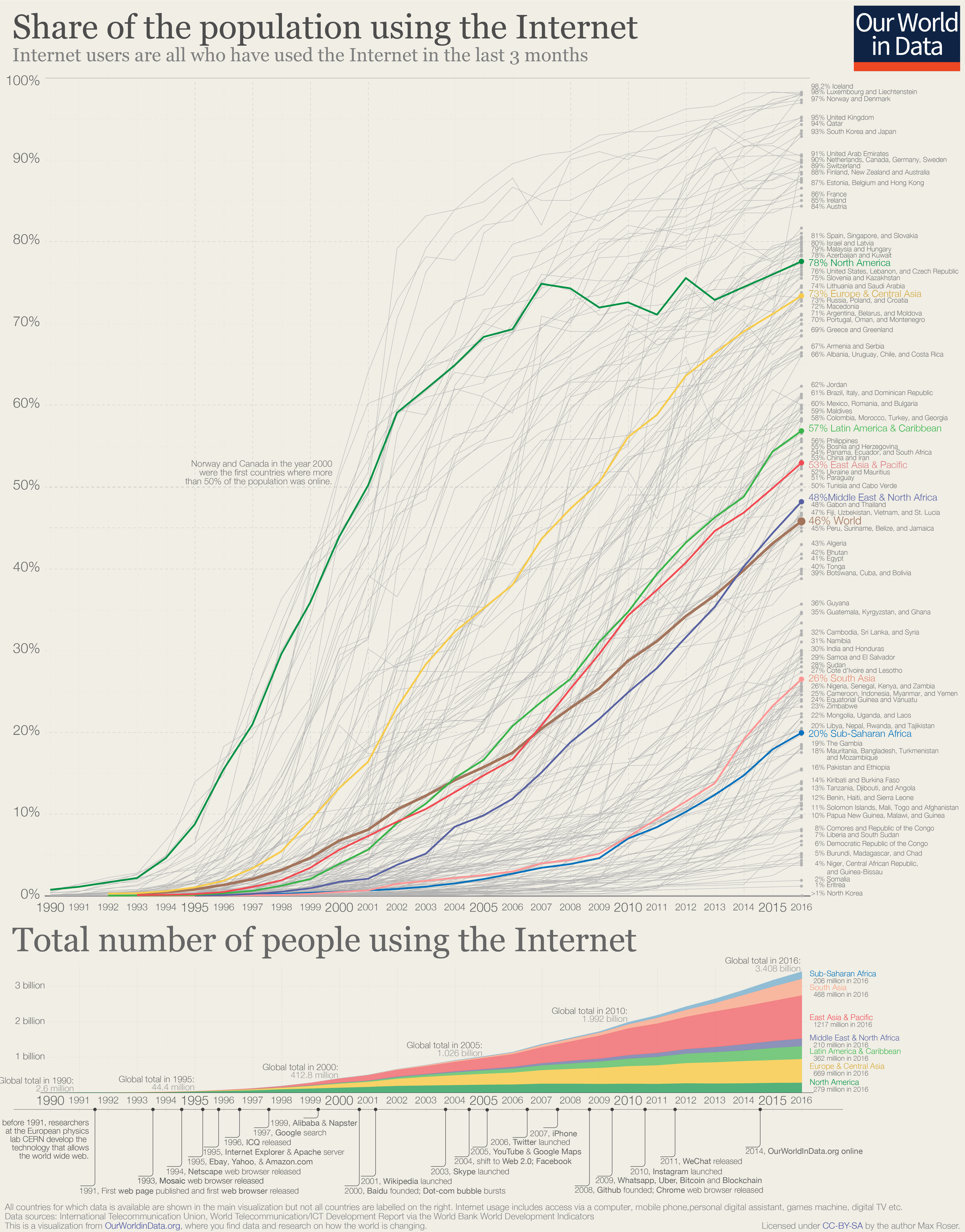
When 4G was rolled out in 2010, it was heralded as the new age of cellphone technology. Within five years, global internet users grew over 70% from 2 billion in 2010 to 3.4 billion (https://ourworldindata.org/uploads/2018/09/Share-of-internet-users.png), mostly fueled by mobile data in developing nations. A decade later, the amount of 4G bands available are close to depletion, and the crowded network is starting to cause slowdowns at peak times. This problem is exacerbated by the growing volume of mobile data consumed, where traffic is expected to increase 50% in 2020 (https://www.researchgate.net/publication/335518169_Blockchain_for_5G_Opportunities_and_Challenges).
The next generation of bands will represent massive advancements in capacity, lower latency and throughput. Featuring three spectrum bands, from low (currently used at LTE) to mid to high, 5G technology is estimated to be about 20 times faster than 4G. A standard slate can support one million devices per square kilometre and is generally considered more stable. (https://www.digitaltrends.com/mobile/what-is-5g/)
Across the world, countries and telecom providers are rapidly setting up 5G towers, and estimates are that there’ll be global 5G coverage by the end of this year. (https://cointelegraph.com/news/the-implications-of-fusing-5g-and-blockchain) In the United States, telecoms like AT&T has gone live with 5G in 19 markets across 35 cities. However, adoption rates will take a while longer given that 4G will still be available and is the norm. (https://about.att.com/pages/5G)
There are plenty of possibilities now made available and feasible that wouldn’t have been dreamed of even just a decade ago. Self-driving cars would be more viable as lower latency times means greater sensitivity and response times. Services that were once location restricted would be more widespread and available with strong connectivity. Finally, the implementation of the “Internet of Things” would be exponentially easier, where everyday objects can be connected to the internet to allow for multiway network data transfer with minimal interaction. This would lead to drastic efficiencies in vital services like Health Care and Police Services, and infrastructure as well. The expected economic impact is huge. 5G is expected to contribute in an additive $12.3 Trillion in global GDP by 2035, resulting in the creation of 22.3 million jobs (https://www.qualcomm.com/invention/5g/economy).

One other significant implication for the introduction of 5G is the impact it will have on blockchain and cryptocurrency.
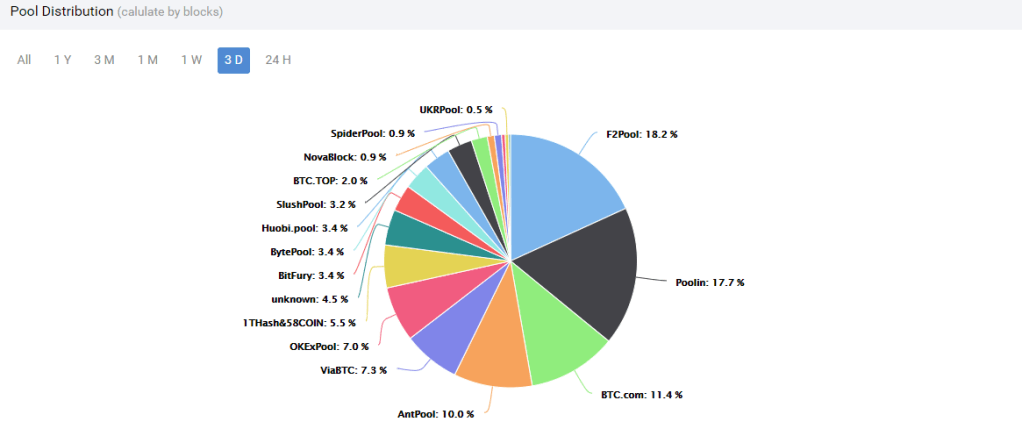
Bitcoin was hailed as the new decentralized currency system where the traditional “central” figure was decentralized across the network to maximize security and transparency. However, as the value of Bitcoin exploded over the last few years, mining pools began to form and consolidate. The specialized mining farms pose the risk of recreating one of the key issues Bitcoin was meant to solve; centralization. For example, it would currently only take collusion from four of the top mining pools to successfully manipulate the block chain process. (https://btc.com/stats/pool). Multiple solutions have been proposed, such as the Stratum as an alternative cryptocurrency that essentially prevents mining pools. If such a cryptocurrency gains popularity, there would be demand for individual processing units as mines, like a cellphone.
Currently, phones can already mine cryptocurrency, but they’re too slow and internet is often unreliable. Under Moore’s Law, it is not unreasonable to envision a future where every phone in the market will be powerful enough to contribute to mining. 5G provides for faster and stable transactions to allow for continual mining wherever the user is located. (https://blockonomi.com/mining-problems/).
Such scalability will also be vital for the widespread adoption and feasibility of cryptocurrency for everyday use. Currently public blockchain networks such as Bitcoin and Ethereum can handle 10-14 transactions per second. However, the global volume is in the range of millions. Widespread adoption simply would not be feasible unless a faster network was available. Through 5G and private blockchain implementation on multiple devices, up to 20,000 transactions could be executed, magnitudes higher than current ecosystems. While it falls short of current credit cards, the increased capacities open new possibilities into the cryptocurrency world and will allow for a slow general adoption. (https://www.researchgate.net/publication/335518169_Blockchain_for_5G_Opportunities_and_Challenges)
Finally, the implementation of 5G into the “Internet of Things”, will allow for the facilitation of smart contracts as well. Imagine a world where everyday items can automatically share and transmit information. The integration of smart contracts into the products themselves will revolutionize traditional supply chains. Trillions of dollars of value will be created as automation, efficiencies and AI allow for seamless cross border trading, international agreements and even facilitate humanitarian efforts. Products could be automatically shipped and delivered from factories to warehouses with minimal human interaction through smart contracts. More and better data than ever will be created to optimize user experience while implementing a whole new layer of security. Privacy issues will be addressed by the decentralization of the blockchain network. The possibilities are endless.
While we are still in the very early stages of both 5G and blockchain, the early results are promising. The integration of both technologies will create significant value and innovation across multiple industries across the world.
 Strategy in the Age of Decentralization