Ever since I was a child, I was fascinated by the sheer amount of joy retail purchases brought to the faces of my loved ones (including myself). Neither did I understand the endless intricacies that retailers endeavoured in order to get a product to shelf for sale/consumption, nor did I ever envision a career in retail. However, I am a firm believer in things working out the way it is intended and therefore I had the fortunate opportunity of working at the number 1 Fortune 500 company over the last 7 years which just happens to be a retailer! During this time, there were few to no investments made in disruptive decentralized technologies and no new technological implementations in general. There has been however, a clear shift in consumer behaviour in this industry and as a result a small shift in leadership mindset to better prepare for a non-retracting digital future.
Disruption and “emerging technologies” are not coming, it is here and ever changing. Innovative and on-demand services such as Netflix and amazon for example, are re-shaping how consumers interact with retail providers.[1] Advances in industry 4.0, 5G, cloud computing and other decentralized technologies are rapidly growing. Canadian retailers must keep apace or run the risk of getting beat out of the market.
Throughout this article I offer my take on how AI and blockchain technologies have the potential of creating value for stakeholders in the retail industry.
Artificial Intelligence (AI) in Brick-and-Mortar Stores
“Brick-and-mortar sales aren’t fading anytime soon— it’s projected that 83% of goods purchased globally in 2022 will still be bought in-store according to Euromonitor International” states Amanda Peterson of Storefront magazine[2] An update to instore technology is almost mandatory if companies want to engage, enroll and transact with millennials and generation Z.
I personally had to build a category strategy on the consumables business I worked on and one of my goals were to drive sales from in-store to online seamlessly; however there wasn’t a simple way to bridge the gap between the two channels with the existing processes and resources at my disposal. I also wanted to optimize shelf offerings based on how customers shopped the shelf. Ask yourself: if you have been in a situation where you went to a store in search of one specific item only to realize as you arrive at the shelf it is out of stock? These along with other issues such as: not being able to reach a product because it is placed on a shelf to high or too low, weight of the product, depth of the shelf etc can negatively affect the shopping experience a customer enjoys in-store. When building a plan-o-gram details as mentioned above are crucial to have in order to successfully build the shelf strategy; yet this information is rarely provided in real time or in a consistently reliable manner.
The growing need among retail organizations to provide enhanced customer experience, maintain inventory accuracy, and improve productivity are among the main reasons for the expedited use of Artificial Intelligence (AI)[3]. “Artificial intelligence, at its core, focuses on making machines intelligent or capable of solving problems as well as people can. It quickly combines large sets of data with fast, iterative processing and detailed algorithms, which allow the program to learn automatically from patterns in the data[4]”AI and machine learning technologies implemented on shelf in physical stores will allow system integrations and ensure issues such as stock outs rarely occur and data gathered on customer patterns and preferences, will equip management appropriately when building shoppable modulars. Value is thereby created for the suppliers, retailers and customers as data is used to curate a better shopping experience.
Blockchain Use and Potential Application in Retail Operations
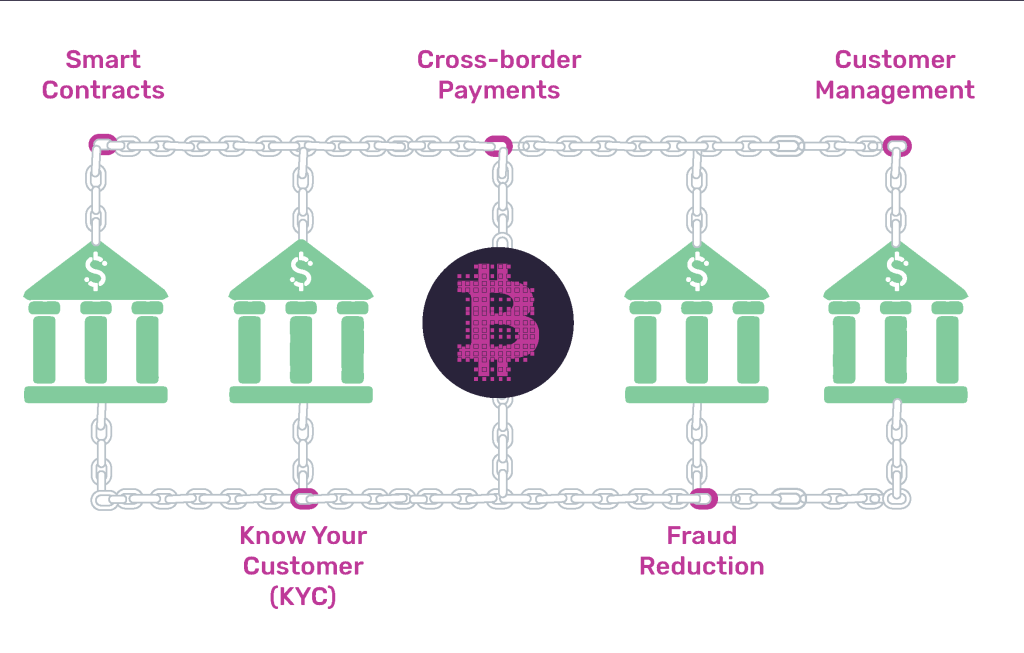
During my MBA clas:s Strategic Innovation in the age of Decentralization, my favourite topic discussed was blockchain technology. I am excited by the potential it elicits, and I believe it will be very useful and applicable in many industries. Jitin Agarwal, VP, Enterprise Products at EPAM states “While the five key benefits of blockchain are immutability, accessibility, encryption, transparency and governance, the most important benefit for retail is transparency.[5]” I could not agree more with this and believe that transparency in the flow of goods, whether it is a luxury item or an everyday essential, is important as trust is established from each party along the value chain.
One of the biggest use cases for blockchain in retail is in supply chain operations. For large retailers, the source of the product especially for Private Label products are especially important. Many organizations have been scrutinized severely for the conditions in which products are made and transferred. LVMH, in particular Louis Vuitton, is currently working on fraud and counterfeit prevention methods via blockchain technology which generates advantages for both consumers and the industry. Consumers will know they are buying an authentic product and brands can track their sales, have visibility on which products are selling well, anticipate future demand for their products and identify potential brand-diluting oversupply at an earlier stage.[6] Walmart has partnered with IBM to help improve food safety with the implementation of IBM Food Trust.™ This solution unites growers, distributors, processors, retailers and other food industry stakeholders to efficiently and securely trace food through every step of the supply chain. This Blockchain powered solution helps ensure food safety from farm to store through fast end-to-end traceability data and access to compliance certification.[7]
Another great use of blockchain in retail is via the use of Smart Contracts. Nikki Baird, Vice President of Retail Innovation at Aptos states “Supply chains depend heavily on cross-border situations that are dependent on a lot of paperwork, currencies, and increasing governmental requirements around visibility into ports of origin, cargo contents, and general supply chain visibility.”[8] In my last role there were at least 6 different areas of the organization involved in the purchase and transmission of imported goods; with smart contracts, companies can eliminate the need for “middlemen” and fix many of the issues that arise along the way. In addition, the typical costs of collecting payment at month end will no longer be required as the transaction or smart contract is fulfilled.
After a recent visit to China, it is clear that Canadian retailers are lagging behind and need to pick up the pace at which decentralized technologies are implemented. Privacy in the Canadian economy, will be the biggest hurdle, but with proper, safe respectful execution, I am confident AI and blockchain technologies will revolutionize the way retail operations impact its value chain stakeholders.
[1] file:///C:/Users/Niala/Desktop/MBA-%20Strategic%20Innovation/ceo-retail-industry-perspective.pdf
[2] https://www.thestorefront.com/mag/how-artificial-intelligence-is-powering-the-retail-experience/
[3] https://www.gminsights.com/industry-analysis/artificial-intelligence-ai-retail-market?utm_source=GoogleAds&utm_medium=Adwords&utm_campaign=Technology-PPC&gclid=Cj0KCQiAm4TyBRDgARIsAOU75srTnmW8_kZDVYc6pHDrZpzyQdgpEJ0sQhQ6OTZQnlmTKkh8WygVamIaAmRmEALw_wcB
[4] https://www.thestorefront.com/mag/how-artificial-intelligence-is-powering-the-retail-experience/
[5] https://www.disruptordaily.com/benefits-of-blockchain-in-retail/
[6] https://fashionunited.uk/news/business/why-lvmh-s-blockchain-is-posed-to-revolutionise-the-fashion-industry/2019060743543
[7] https://www.ibm.com/downloads/cas/Z3B8JLVA
[8] https://www.disruptordaily.com/benefits-of-blockchain-in-retail/
 Strategy in the Age of Decentralization