The buying process within the residential real estate market can be long, tedious, opaque and costly. As such, real estate agents are often engaged to help navigate the complexity of the transaction. However, new technologies have emerged that can potentially disrupt the real estate industry, through the decentralization of the database that provides real estate listings, the elimination of middlemen in the sales process and replacement of paperwork with smart contracts that enable quick and efficient execution of transactions.
The Traditional Way
Residential real estate transactions are simply the exchange of property for money between a buyer and a seller. Buyers use real estate listings to learn about the property’s features and price, while sellers list their properties to advertise and attract buyers. Currently, majority of the residential properties available for sale are promoted on a local, centralized multiple listing service (MLS) that is accessible to licensed agents and brokers for a fee. MLS collects information on the property’s price, location and size among other things from brokers and then sells it back to the real estate community. The data is controlled and managed by the MLS and can be very expensive for individuals to access. As such, majority of the transactions involving residential properties are facilitated through real estate agents.
Aside from providing economical access to property listings, real estate agents provide an array of services to their clients. In a conventional residential real estate deal, buyers and sellers do not communicate with each other directly. Both sides hire an agent to negotiate on their behalf. In addition, these agents assist with listing the property, gathering the necessary paperwork and engaging third parties such as lawyers and mortgage specialists to complete the deal. The seller is responsible for paying both the agents. Given the compensation structure, both agents benefit from a higher sales price, to the disadvantage of the buyer. The average commission split between both agents is approximately 6% of the sales price, which would be $42,000 on a $700,000 property. Once a property has been finalized, a lawyer is engaged to verify that there are no outstanding taxes or liens against the property. In addition to this, the buying process in inundated with paperwork. Each part of this process: the listing, agent and lawyer, adds to the total cost of the transaction.
Disruption in Real Estate
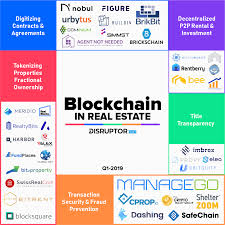
Over the past few years, many blockchain backed platforms have emerged which aim to create value for various parties involved in the real estate transaction and instill trust and transparency in the process. These platforms will change the way residential real estate transactions take place going forward. The services of a real estate agent are being unbundled and digitalized so that buyers and sellers can easily do the deal on their own. For instance, Imbrex, launched in 2017, is a decentralized MLS platform built on ethereum. This blockchain backed database provides a reliable track record of property information, including past transactions, and allows users to find, list and buy properties at a fraction of the cost. The database is managed by the users who are awarded tokens for listing on the platform. By democratizing listings, Imbrex removes the need for regional MLS monopolies. Another, a UK based platform called Agent Not Needed, is a peer to peer platform that allows buyers and sellers to communicate with each other directly without the need for an agent.
Platforms such as Shelterzoom, are a one-stop shop that provide all the services that a real estate agent would typically provide. These solutions manages all aspects of the home buying process, from listing to offer to document exchange and closing. Buyers would be able to transact directly with the sellers and complete the sale electronically through smart contracts without the need for intermediaries (agents and lawyers). These innovative platforms have streamlined the entire process of a property transaction and aim to create tremendous value for the users.
Who Wins, Who Loses?
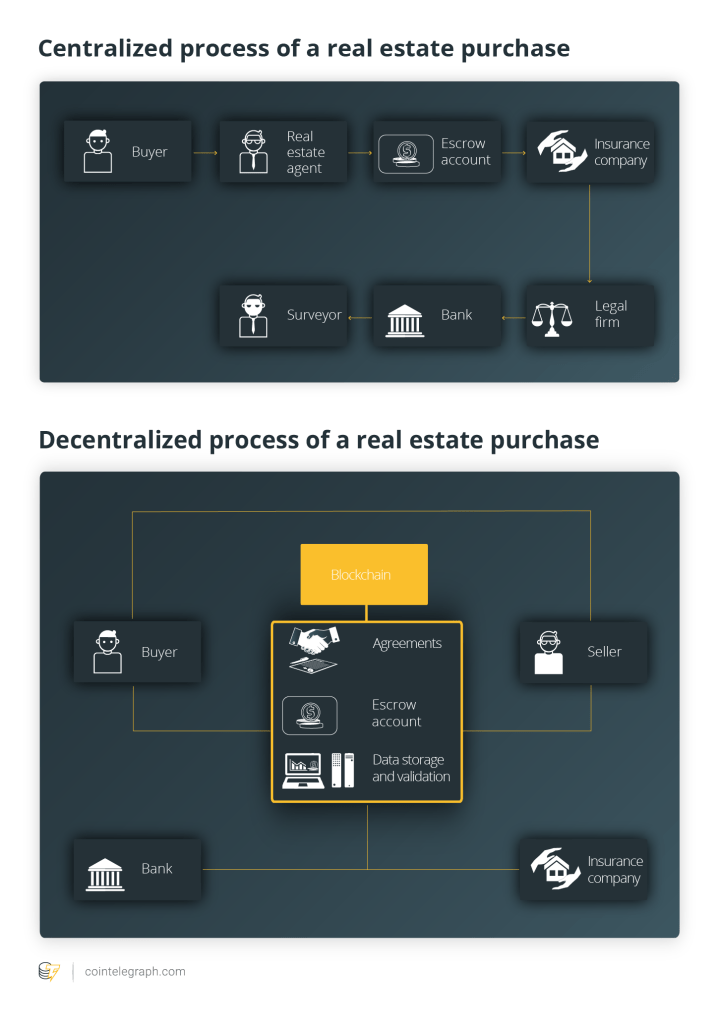
There are many innovative platforms competing for users in the real estate industry, however all still in infancy. Once successful, the peer to peer real estate model would be disruptive to three types of businesses: MLS providers, real estate agents and real estate lawyers. Firstly, all property data, including past transactions, could be tracked on a single platform. Homeowners can easily list their property for sale on the platform, thus eliminating the need for an agent. Platforms compensate these homeowners through tokens which ensures that the database is rich with listings. Further, buyers can access the listings at a fraction of the cost, or no cost, thereby providing them with easy access to information. The process of arranging viewings, inspections and the final negotiation with the other party is also seamless. An agent who helps find suitable properties, engages with third parties on behalf of the buyer and compiles all the necessary documentation will be redundant as these platforms will be able to do the same more efficiently.
Lastly, the ease of using smart contracts to finalize the deal would make the legal process straightforward and hence the role of real estate lawyers redundant. As such, these blockchain enabled platforms create value for both the buyer and the seller, however disrupt the industry by simplifying the real estate transaction. The emergence of blockchain based technologies will transfer the power from centralized real estate listings managers and real estate agents to individuals (both buyers and sellers). This new model will create value for sellers in terms of lower costs and for buyers in terms of lower prices. It is only a matter of time that one of these platforms become the mainstream method of buying and selling real estate.
 Strategy in the Age of Decentralization